

What Are Pitsco CO2 Dragsters and Why Do They Matter in High School Physics?
Quick Answer: Pitsco CO2 dragsters are competitive racing vehicles powered by compressed carbon dioxide cartridges, designed specifically for high school physics curricula. Students build, optimize, and race these cars while learning Newton’s laws, energy conservation, friction, and aerodynamics through direct experimentation. These hands-on projects transform abstract physics concepts into tangible, measurable outcomes. Schools across North America use Pitsco dragsters in physics classes, engineering competitions, and STEM clubs. The platform combines engineering design, data analysis, and competitive motivation into a single educational tool that engages students who might otherwise disengage from traditional classroom physics.

Pitsco CO2 dragsters have become a cornerstone of experiential physics education since the 1980s. The vehicles typically race down a 30-meter or 60-meter track in under 2 seconds, making them ideal for measuring velocity, acceleration, and collision dynamics. Teachers appreciate the structured learning path: students design cars using provided kits, test hypotheses about weight distribution and aerodynamics, collect real-time data, and refine designs based on results. This iterative process mirrors authentic scientific inquiry. In June 2026, Pitsco continues to evolve these systems with digital timing gates, cloud-based data logging, and integration with physics simulation software.
Key Takeaway: Pitsco CO2 dragsters transform physics from theory into competitive, measurable real-world applications.
How Does the Physics Behind CO2 Dragster Propulsion Work?
CO2 dragsters operate on fundamental thermodynamic and mechanical principles. A compressed CO2 cartridge (typically 12 grams) releases gas through a solenoid valve when triggered. The expanding gas creates thrust that propels the vehicle forward. Students directly observe Newton’s second law: force equals mass times acceleration. The lighter the dragster, the greater its acceleration for the same force output.
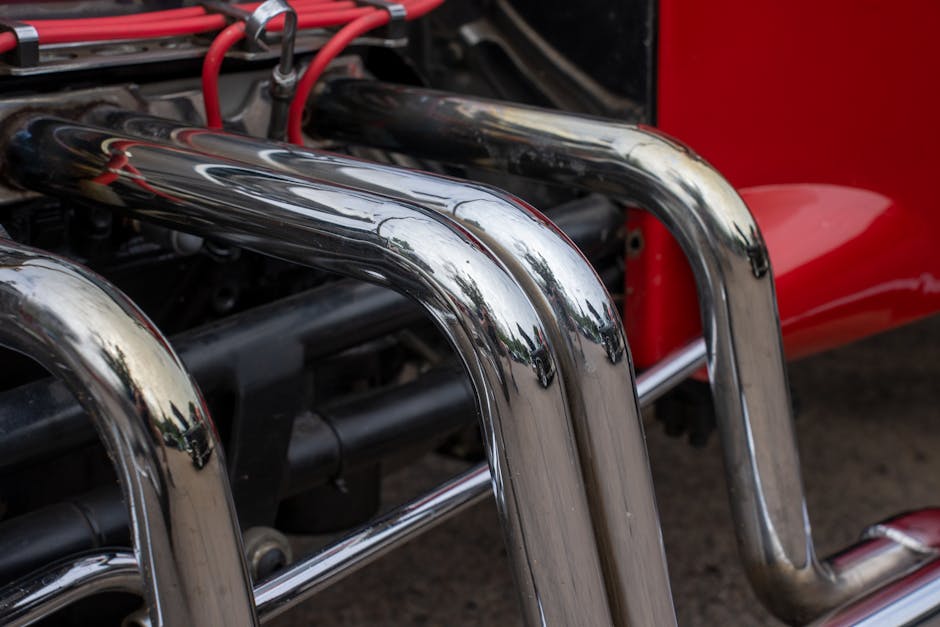
The propulsion system teaches energy transformation. Chemical energy stored in the compressed CO2 converts to thermal energy as the gas expands, then to kinetic energy as the vehicle accelerates. Students measure this energy conversion by recording velocity data at different track positions. They calculate work, power, and efficiency—concepts often abstract in textbooks but visceral when racing a car they designed.
Key Physics Concepts in CO2 Dragster Motion
- Newton’s Second Law: Force from CO2 expansion accelerates the vehicle; F = ma determines acceleration rates.
- Friction and Drag: Wheel friction and aerodynamic drag oppose motion; students measure their impact on final velocity.
- Energy Conservation: Initial potential energy in compressed gas converts to kinetic energy and heat loss.
- Momentum: Vehicle mass and velocity determine momentum; collisions demonstrate conservation principles.
- Acceleration Measurement: Digital timing gates record position over time, enabling precise acceleration calculations.
Teachers use CO2 dragsters to make Newton’s laws tangible. When students add weight to a dragster, they observe reduced acceleration despite constant force. When they reduce wheel friction, they see velocity increase. These cause-and-effect relationships cement understanding far better than equations alone.
Key Takeaway: CO2 dragster propulsion directly demonstrates energy conversion, Newton’s laws, and friction in a measurable 2-second window.
What Design Elements Optimize Dragster Performance?
Winning dragster designs balance competing forces: minimizing weight while maintaining structural integrity, reducing friction while ensuring stability, and optimizing aerodynamics without adding drag. Students learn engineering trade-offs through experimentation. A heavier car with better aerodynamics may lose to a lighter car with more friction. This teaches systems thinking—no single variable determines success.
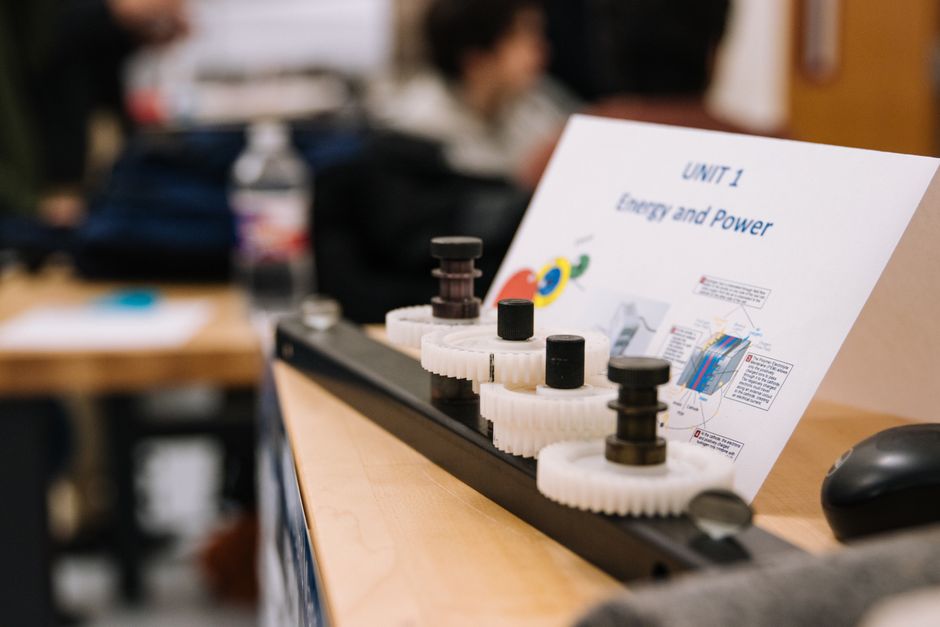
Wheel design is critical. Smaller-diameter wheels reduce rolling resistance but limit top speed. Larger wheels accelerate slower but reach higher final velocities. Students test different wheel sizes and measure the trade-off. Bearing quality directly impacts friction; high-quality bearings can reduce lap times by 50 milliseconds or more. This seemingly small difference becomes significant when races are decided by hundredths of a second.
Design Variables Students Optimize
- Vehicle Mass: Lighter bodies accelerate faster; typical competitive dragsters weigh 50-150 grams.
- Wheel Selection: Diameter, width, and material affect both acceleration and top speed.
- Bearing Quality: Precision bearings reduce friction losses; students measure impact with timing gates.
- Aerodynamic Shape: Streamlined designs reduce air resistance; students test with wind tunnel simulations or field trials.
- CO2 Cartridge Placement: Center-of-mass positioning affects stability and weight distribution.
- Launch Mechanism: Solenoid valve timing and trigger design influence acceleration profile.
Advanced students use computational tools to model dragster performance. Physics simulation software lets them predict how design changes affect velocity before building prototypes. In 2026, many schools integrate Pitsco dragster projects with CAD software and finite element analysis, deepening the engineering experience.
Key Takeaway: Dragster design optimization teaches engineering trade-offs and systems thinking through measurable performance feedback.
How Do Teachers Integrate Pitsco CO2 Dragsters into Physics Curricula?
Effective dragster projects align with state physics standards and learning objectives. Teachers typically introduce the project after covering kinematics, forces, and energy. Students spend 2-4 weeks designing, building, testing, and refining their vehicles. The timeline allows for iterative design cycles—students run initial tests, analyze data, modify designs, and retest.

Data collection is central to the learning experience. Digital timing gates record velocity at multiple points along the track. Students calculate acceleration, compare results across design iterations, and present findings. This transforms the project from a fun activity into rigorous scientific inquiry. Teachers grade students on design choices, data analysis, and communication—not just race performance.
Typical Project Timeline and Deliverables
- Week 1: Physics review, design research, and initial sketches; students identify optimization variables.
- Week 2: Vehicle assembly and initial testing; baseline data collection and analysis.
- Week 3: Design modifications based on data; iterative testing and refinement.
- Week 4: Final testing, data compilation, and presentation of results and conclusions.
- Deliverables: Design documentation, data tables, graphs, error analysis, and written reflection on physics principles.
Competitive elements enhance engagement. Schools often hold dragster races where students compete individually or in teams. Competition motivates careful design and thorough testing. However, the educational focus remains on the process—understanding physics through experimentation—rather than winning. Teachers emphasize that a well-designed car that performs predictably teaches more than a lucky fast car.
Some schools extend dragster projects into interdisciplinary units. Students write technical reports (English), calculate costs and efficiencies (mathematics), research materials science (chemistry), and present findings (communication skills). This integration demonstrates how physics connects to other disciplines.
Key Takeaway: Effective dragster integration combines hands-on building with rigorous data collection, analysis, and scientific communication.
What Practical Steps Should Teachers Take to Launch a Dragster Program?
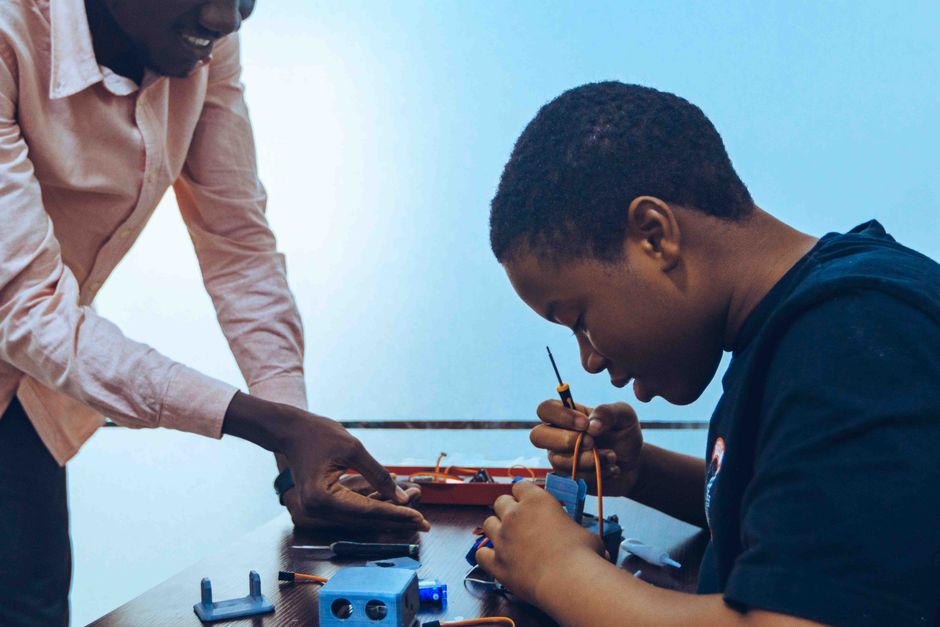
Starting a Pitsco CO2 dragster program requires planning, materials, and classroom management strategies. Teachers should assess their physics curriculum, identify where dragsters fit, and secure funding and equipment. Pitsco provides complete kits with vehicles, timing gates, and instructional materials, simplifying setup.
Step-by-Step Implementation Guide
- Step 1: Review Pitsco’s curriculum guides and align dragster projects with your physics standards and learning objectives.
- Step 2: Secure funding through school budgets, grants, or STEM initiatives; budget $50-100 per student for materials.
- Step 3: Order Pitsco kits, timing gates, and any supplementary tools (calipers, scales, software licenses).
- Step 4: Set up a dedicated workspace with a 30-meter or 60-meter track; ensure safety barriers and proper lighting.
- Step 5: Develop clear project rubrics, grading criteria, and data collection protocols before students begin.
- Step 6: Conduct a trial run yourself; build and test a dragster to anticipate student questions and troubleshoot equipment.
- Step 7: Introduce the project with a demonstration race; show students what successful design looks like.
- Step 8: Establish lab safety rules, equipment handling procedures, and data recording expectations.
Teachers should provide clear design constraints. Unrestricted designs lead to frustration and inequality—students with more resources build faster cars. Pitsco’s standardized kits level the playing field. Teachers might add constraints: maximum mass, required wheel size, or specific materials. Constraints force creative problem-solving and make competitions fair.
Data management tools simplify analysis. Pitsco’s cloud-based platform allows students to upload timing data, generate graphs, and compare results across multiple runs. This reduces time spent on data entry and increases time spent on analysis and interpretation. In 2026, integration with spreadsheet software and physics simulation tools makes data visualization seamless.
Professional development helps teachers maximize the program. Pitsco offers workshops and online training. Teachers should learn the equipment, understand common failure modes, and practice data analysis themselves. Confident teachers create confident students.
Key Takeaway: Successful dragster programs require clear objectives, proper equipment setup, detailed rubrics, and teacher preparation.
How Do Pitsco CO2 Dragsters Connect to Broader STEM Education?
Dragster projects extend beyond physics into engineering, technology, and mathematics. Students apply design thinking, a problem-solving framework used in professional engineering. They define the problem (build a fast dragster), research solutions, brainstorm ideas, prototype, test, and iterate. This mirrors real-world engineering workflows.
Mathematics integration is natural. Students calculate velocity, acceleration, and energy. They create graphs of position versus time and velocity versus time. They perform statistical analysis to compare multiple trials and identify significant differences. They calculate margins of error and discuss measurement uncertainty. These mathematical skills reinforce physics concepts and demonstrate why math matters.
Technology skills develop through data logging software, CAD design tools, and digital presentation platforms. Students who design dragsters in CAD software before building them develop spatial reasoning and 3D visualization skills. Those who analyze timing data in spreadsheets learn data literacy—increasingly critical in all fields.
If your school uses other STEM platforms, dragster projects complement them. Students building SunFounder PiCar-X robots can apply dragster design principles to mobile robotics. Those working with Elecfreaks Micro:bit projects can add electronic sensors to dragsters for real-time telemetry. Dragsters also complement engineering competitions; students who excel at dragster design often succeed in robotics and engineering challenges.
Key Takeaway: Dragster projects teach design thinking, mathematics, and technology skills while reinforcing physics principles.
What Common Challenges Arise and How Can Teachers Address Them?
Even well-planned dragster programs face obstacles. Equipment failures, student frustration, and time constraints are common. Anticipating these issues helps teachers respond effectively. CO2 cartridges sometimes misfire; solenoid valves wear out; wheels become misaligned. Teachers should maintain spare parts and know basic troubleshooting. Pitsco provides excellent technical support, but quick fixes save class time.
Student frustration peaks when dragsters perform worse after design changes. This is a teaching moment. Students learn that not all changes improve performance; some designs work better than expected due to luck or unmeasured variables. Teachers should frame unexpected results as data, not failure. The best learning often comes from designs that don’t work as predicted.
Common Issues and Solutions
- Inconsistent Timing Data: Ensure timing gates are properly aligned and calibrated; run multiple trials to identify and average out anomalies.
- Wheel Misalignment: Check axle straightness and wheel mounting; even small misalignments significantly increase friction.
- CO2 Cartridge Leaks: Inspect seals and valves; store cartridges in cool, dry conditions to prevent pressure loss.
- Student Frustration: Emphasize the iterative process; celebrate learning, not just fast times; discuss why some designs fail.
- Time Constraints: Streamline data collection with digital tools; limit design iterations to 2-3 cycles per student.
- Equity Issues: Use standardized kits and design constraints; ensure all students have equal access to materials and testing time.
Time management is critical. Teachers with limited class periods should front-load design work. Students can sketch and research designs before accessing building materials. Teachers can also assign homework: calculate expected performance, research materials, or analyze sample data. This extends learning beyond class time without requiring expensive lab access.
Key Takeaway: Anticipating equipment issues, reframing unexpected results, and managing time efficiently ensure dragster programs succeed.
How Should Students Analyze and Present Dragster Data in 2026?
Data analysis transforms dragster racing from a fun activity into rigorous science. Students should collect multiple data points: velocity at different track positions, acceleration rates, and consistency across multiple trials. Modern timing systems record data automatically, but students must interpret it thoughtfully.
Students should create visual representations of their data. Graphs of velocity versus time show acceleration profiles. Comparing graphs across design iterations reveals which changes were effective. Students should calculate means, standard deviations, and percent improvements. They should discuss sources of error: measurement uncertainty, environmental factors, and design tolerances.
Data Analysis and Presentation Framework
- Data Collection: Record at least 5 trials per design; document conditions (temperature, track surface, cartridge age).
- Data Visualization: Create graphs showing velocity, acceleration, and performance trends across iterations.
- Statistical Analysis: Calculate mean times, standard deviations, and percent improvements between designs.
- Error Discussion: Identify measurement uncertainty, environmental variables, and design tolerances affecting results.
- Physics Connection: Explicitly link data to physics concepts; explain results using Newton’s laws and energy conservation.
- Presentation Format: Use slides, posters, or technical reports; communicate findings clearly to non-technical audiences.
In 2026, students should leverage digital tools. Cloud-based platforms automatically generate graphs from timing data. Spreadsheet software calculates statistics instantly. Presentation software allows interactive visualizations. Students who master these tools develop career-ready skills while deepening their physics understanding.
Peer review strengthens analysis. Students should present their designs and data to classmates, answer questions, and receive constructive feedback. This practice develops communication skills and exposes students to diverse design approaches. Teachers can facilitate gallery walks where students view and comment on each other’s work.
Key Takeaway: Rigorous data analysis, visual representation, and peer communication transform dragster racing into authentic scientific practice.
Frequently Asked Questions
What is the typical cost of a Pitsco CO2 dragster kit for a classroom?
Pitsco dragster kits cost approximately $30-60 per vehicle, depending on the model and included components. A classroom set of 30 kits plus timing gates and software typically ranges from $1,500 to $3,000. Many schools fund programs through grants, PTA donations, or STEM budgets. Some districts share equipment across multiple schools to reduce costs. Pitsco offers volume discounts for larger orders.
How long does a typical Pitsco dragster project take from design to final race?
Most projects span 2-4 weeks depending on class frequency and depth. Students spend 1-2 weeks designing and building, then 1-2 weeks testing and refining. Some teachers compress this into 1-2 weeks with focused activities; others extend projects to 6-8 weeks for deeper investigation. The timeline depends on learning objectives and available class time. Homework and independent work can extend the project without requiring additional lab time.
Can Pitsco dragsters be used in middle school or is it only for high school physics?
Dragsters work well in middle school science, particularly in grades 7-8. Middle school versions typically emphasize force, motion, and simple machines rather than calculus-based physics. Projects are shorter and designs are simpler. Pitsco offers age-appropriate curriculum materials for both middle and high school. Teachers should adjust complexity to match student developmental levels and prior knowledge of physics concepts.
What skills do students develop beyond physics understanding?
Dragster projects develop engineering design thinking, data analysis, technical communication, and teamwork. Students practice problem-solving, troubleshooting, and iterative refinement. They learn to interpret data, create visualizations, and present findings. Collaboration develops interpersonal skills and exposes students to diverse perspectives. These transferable skills prepare students for STEM careers and higher education.
How do dragster projects align with state physics standards and standardized tests?
Dragster projects directly address standards covering kinematics, forces, energy, and motion. They provide hands-on evidence for concepts tested on standardized physics exams. Students who engage deeply with dragster projects typically perform better on physics assessments because they understand concepts through direct experience. Teachers should explicitly connect dragster activities to standard language and assessment formats.
Are there competitive opportunities or tournaments for Pitsco dragster racing?
Yes, Pitsco sponsors regional and national dragster competitions. Schools can register teams to compete against other districts. Competitions vary by level (middle school, high school) and format (single elimination, timed races). These tournaments motivate students and provide external validation of their work. Competing schools often form learning communities, sharing design strategies and results. Check Pitsco’s website for 2026 competition schedules and registration information.
What Makes Pitsco CO2 Dragsters an Effective Tool for High School Physics Education in 2026?
Pitsco CO2 dragsters have endured as educational tools because they align perfectly with how students learn physics best: through hands-on experimentation, immediate feedback, and authentic problem-solving. In 2026, these vehicles remain relevant despite advances in simulation technology. Why? Because building and racing a physical dragster engages students emotionally and intellectually in ways that software simulations cannot. Students own their designs, invest effort in their vehicles, and feel genuine excitement when their dragster crosses the finish line faster than expected.
The platform’s strength lies in its simplicity and scalability. A basic dragster project teaches fundamental physics to any student. Advanced students can explore aerodynamics, materials science, and computational modeling. Teachers can adjust complexity to meet diverse learner needs. Schools with limited budgets can start small; those with robust funding can develop comprehensive programs. In June 2026, Pitsco continues to evolve the platform with better data tools and curriculum integration, but the core educational value remains unchanged.
For teachers seeking to transform physics from abstract theory into tangible experience, Pitsco CO2 dragsters offer a proven pathway. They engage students, teach rigorous science, and develop skills that extend far beyond the physics classroom. Whether your goal is to meet standards, inspire future engineers, or simply make physics memorable, dragster projects deliver measurable learning outcomes alongside genuine student enthusiasm.
Key Takeaway: Pitsco CO2 dragsters remain powerful educational tools in 2026 because they combine hands-on engineering, rigorous physics, and authentic competition in a format that engages diverse learners.



Write Your Review
No reviews yet. Be the first to share your experience!