

What Is Smart Manufacturing and Why Should Students Care in 2026?
Smart manufacturing—also called Industry 4.0—integrates automation, data analytics, and artificial intelligence into production systems. Students mastering these skills gain competitive advantage in engineering, robotics, and technology careers. The global smart manufacturing market reached $150 billion in 2025 and continues expanding rapidly. Understanding these technologies now positions you ahead of peers entering the workforce. Smart manufacturing combines physical systems with digital intelligence, creating unprecedented career opportunities.
In June 2026, smart manufacturing skills are no longer optional—they’re essential. Factories worldwide adopt IoT sensors, machine learning algorithms, and automated workflows. Companies desperately need graduates who understand both hardware and software integration. Your education in these areas directly translates to high-demand, well-paying positions. Starting your smart manufacturing journey today gives you years of practical experience before graduation.
Key Takeaway: Smart manufacturing represents the future of production, and students who learn these skills now will lead industries in the 2030s.
What Are the Core Principles of Smart Manufacturing Every Student Should Know?
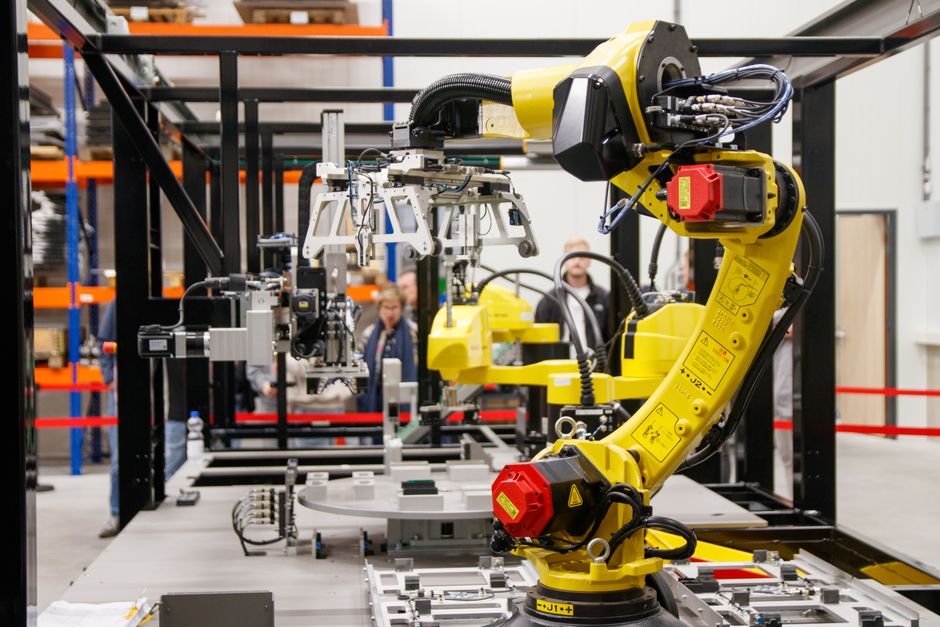
Smart manufacturing rests on five foundational pillars that transform how products are made. Understanding these principles helps you grasp why certain technologies matter and how they interconnect. These concepts apply across automotive, electronics, pharmaceuticals, and consumer goods manufacturing. Mastery of these principles prepares you for advanced coursework and professional roles. Let’s break down each pillar systematically.
The Five Core Pillars of Smart Manufacturing
- Internet of Things (IoT): Connected sensors collect real-time data from machines and production lines.
- Data Analytics: Algorithms analyze massive datasets to identify patterns, inefficiencies, and optimization opportunities.
- Artificial Intelligence: Machine learning models predict failures, optimize schedules, and improve quality control.
- Cloud Computing: Centralized systems store, process, and share manufacturing data across global facilities.
- Cybersecurity: Robust protections safeguard sensitive manufacturing data and prevent system breaches.
IoT sensors represent the nervous system of smart factories. They monitor temperature, pressure, vibration, and countless other parameters continuously. Data flows from thousands of sensors into cloud platforms for real-time analysis. This constant monitoring prevents equipment failures before they happen. Traditional factories react to problems; smart factories prevent them.
Data analytics transforms raw sensor information into actionable intelligence. Engineers use predictive models to forecast equipment maintenance needs weeks in advance. Quality control improves dramatically when algorithms detect defects in microseconds. Production schedules optimize automatically based on demand forecasts and resource availability. Students who master data analytics become invaluable to manufacturing teams.
Key Takeaway: The five pillars—IoT, analytics, AI, cloud computing, and cybersecurity—form the foundation of every modern smart manufacturing system.
How Can Students Build Practical Smart Manufacturing Skills Through Hands-On Projects?
Theory alone won’t prepare you for real-world manufacturing challenges. Hands-on projects bridge the gap between classroom learning and industry practice. Building actual systems—even at small scale—develops problem-solving abilities that employers desperately seek. Robotics kits, microcontroller platforms, and simulation software provide affordable entry points. Starting projects now builds a portfolio that impresses college admissions officers and future employers.

Essential Hands-On Project Categories
- Automated Assembly Systems: Build robotic arms or conveyor systems that coordinate multiple tasks sequentially.
- IoT Monitoring Systems: Create sensor networks that collect and visualize real-time production data.
- Quality Control Automation: Develop vision systems or sensors that detect defects automatically.
- Predictive Maintenance: Use historical data to train models that forecast equipment failures.
- Supply Chain Optimization: Design algorithms that minimize waste and improve resource allocation.
Robotics platforms like those featured in SunFounder PiCar-X Raspberry Pi 5 setups teach automation fundamentals through mobile robot construction. Students learn motor control, sensor integration, and autonomous navigation—all critical smart manufacturing skills. These projects cost under $300 but teach concepts worth thousands in industrial equipment. Building your first autonomous system creates confidence for tackling more complex challenges.
Microcontroller platforms enable IoT data collection and processing. The Elecfreaks Micro:bit starter kit projects for teens introduce sensor programming and wireless data transmission. Students create systems that monitor environmental conditions and transmit data to cloud platforms. These skills transfer directly to industrial IoT applications in real factories. Starting with affordable platforms lets you experiment freely without expensive consequences.
Key Takeaway: Hands-on projects using robotics kits and microcontrollers build practical skills that separate competitive candidates from the rest.
What Programming Languages and Tools Should Smart Manufacturing Students Master?
Smart manufacturing relies on diverse programming languages and platforms. No single tool dominates the entire industry—flexibility and adaptability matter most. Students who master multiple languages and platforms become more valuable to employers. Starting with beginner-friendly platforms builds confidence before tackling advanced systems. Here’s what you need to know about essential smart manufacturing programming tools.
Essential Programming Languages and Platforms
- Python: Dominates data analytics, machine learning, and automation scripting across manufacturing facilities worldwide.
- C/C++: Powers embedded systems and real-time control applications in industrial equipment.
- JavaScript/Node.js: Enables IoT data visualization and cloud platform integration for web-based monitoring.
- PLC Programming (Ladder Logic): Traditional industrial control language still used in many factories globally.
- MATLAB/Simulink: Industry standard for modeling, simulation, and control system design.
Python has become the de facto language for smart manufacturing engineers. Its simplicity enables rapid prototyping while powerful libraries handle complex analytics. Students learning Python gain immediate applicability to real manufacturing problems. The language’s readability means code written years ago remains understandable and maintainable. If you master one language, make it Python.
Microcontroller programming teaches embedded systems concepts essential to IoT devices. Platforms like M5Stack CardPuter MicroPython tutorials introduce programming for compact, powerful computing devices. MicroPython combines Python’s simplicity with embedded hardware capabilities. Learning MicroPython prepares you for programming industrial IoT sensors and controllers. These skills directly apply to smart factory sensor networks and edge computing systems.
Cloud platform familiarity separates exceptional candidates from average ones. AWS, Google Cloud, and Microsoft Azure dominate industrial IoT deployments. Students who understand cloud architecture, databases, and data pipelines become leaders in smart manufacturing teams. Free tier access lets you experiment with real cloud services without spending money. Building cloud projects now gives you years of practical experience.
Key Takeaway: Master Python for analytics, MicroPython for IoT devices, and at least one cloud platform for comprehensive smart manufacturing competency.
How Do You Apply Smart Manufacturing Concepts to Real Student Projects?
Connecting theory to tangible projects solidifies understanding and builds impressive portfolios. Real student projects demonstrate competency more effectively than grades or certificates alone. Employers want to see what you’ve actually built and how you solved real problems. Starting small and progressively increasing complexity prevents overwhelming yourself. Here’s how to approach smart manufacturing projects systematically.

Step-by-Step Approach to Your First Smart Manufacturing Project
- Step 1: Define the Problem. Identify a real manufacturing inefficiency or safety issue you can address at small scale.
- Step 2: Research Existing Solutions. Study how industry tackles similar problems to avoid reinventing wheels.
- Step 3: Design Your System. Sketch hardware requirements, software architecture, and data flows clearly.
- Step 4: Build a Prototype. Start with minimal viable product using affordable components and platforms.
- Step 5: Collect Data. Monitor your system’s performance and gather metrics proving its effectiveness.
- Step 6: Iterate and Improve. Refine your design based on real performance data and testing results.
Consider building an automated quality control system as your first project. Use computer vision to detect defects in manufactured items. This teaches image processing, machine learning, and industrial automation simultaneously. The project impresses college admissions officers and demonstrates practical problem-solving ability. Scale it from simple object detection to complex defect classification as you improve.
Another excellent starter project involves creating an IoT monitoring dashboard for a small production area. Install temperature, humidity, and vibration sensors that transmit data to a cloud platform. Build a web interface displaying real-time metrics and historical trends. This teaches IoT architecture, cloud integration, and data visualization—all critical smart manufacturing skills. The project remains manageable in scope while teaching enterprise-level concepts.
Robotics projects teach automation principles through hands-on mechanical and software challenges. Building autonomous systems that complete manufacturing-like tasks develops systems thinking. LEGO Technic NASA Mars Rover Perseverance builds teach mechanical design and autonomous navigation. While focused on space exploration, these projects develop identical skills used in industrial robotics. Scaling these concepts to manufacturing scenarios creates portfolio pieces employers recognize.
Key Takeaway: Start with clearly-defined problems, build minimum viable prototypes, and iterate based on real performance data.
What Certifications and Credentials Will Boost Your Smart Manufacturing Career in 2026?
Formal credentials validate your skills to employers and educational institutions. Industry certifications demonstrate commitment beyond typical classroom learning. Multiple credentials create a comprehensive profile showcasing diverse competencies. Starting certifications early builds credentials before you graduate. Here are the most valuable smart manufacturing certifications available in 2026.
Top Smart Manufacturing Certifications for Students
- Certified Production Technician (CPT): Validates fundamental manufacturing and quality control knowledge.
- MuleSoft Certified Associate: Proves cloud integration and data connectivity skills employers desperately need.
- AWS IoT Specialist: Demonstrates expertise in cloud-based IoT system design and deployment.
- Python Professional Certificate: Validates data analytics and automation programming competency.
- CompTIA Security+: Shows cybersecurity knowledge critical for protecting manufacturing systems.
The Certified Production Technician credential establishes foundational manufacturing knowledge. It covers safety, quality systems, and production processes that apply across all manufacturing environments. Earning CPT before graduation demonstrates seriousness about manufacturing careers. The certification costs under $200 and requires studying material you’re already learning in smart manufacturing courses. Most employers recognize and value this entry-level credential.
Cloud certifications like AWS IoT Specialist validate hands-on experience with industry-standard platforms. These credentials require passing rigorous exams that test practical knowledge. Employers specifically seek AWS-certified candidates for IoT and cloud manufacturing roles. The certification process forces you to master concepts you might otherwise skip. Investing in cloud certifications now pays dividends throughout your career.
Key Takeaway: Earn industry-recognized certifications that validate specific technical skills and demonstrate commitment to smart manufacturing careers.
Where Can Students Find Resources, Communities, and Mentorship in Smart Manufacturing?
Learning smart manufacturing doesn’t require going it alone. Vibrant communities, abundant resources, and mentors exist throughout the industry. Connecting with experienced professionals accelerates your learning dramatically. Online platforms, competitions, and local maker spaces provide affordable access to tools and expertise. Building your network now creates relationships that support your entire career.
Essential Resources and Communities
- FIRST Robotics: Competitions that teach automation, teamwork, and engineering design at high school and college levels.
- Make Magazine: Community focused on DIY projects, electronics, and hands-on learning across all skill levels.
- GitHub: Platform where engineers share code, collaborate on projects, and learn from real-world implementations.
- Stack Overflow: Q&A community where programmers help solve technical problems and share knowledge.
- Local Maker Spaces: Community workshops providing access to tools, equipment, and experienced mentors.
- University Extension Programs: Many universities offer affordable courses and workshops for high school students.
FIRST Robotics competitions represent the gold standard for hands-on smart manufacturing education. Teams design and build robots that compete in complex challenges requiring mechanical design, programming, and teamwork. Participation looks exceptional on college applications and resumes. The experience connects you with mentors, peers, and industry professionals. If possible, join a FIRST team immediately—the learning opportunities are unparalleled.
Online communities like GitHub and Stack Overflow let you learn from professional engineers solving real problems. Reading others’ code teaches best practices and advanced techniques. Contributing to open-source projects builds portfolio pieces while helping actual projects. These communities welcome beginners and provide supportive environments for learning. Participating actively demonstrates initiative that impresses employers.
Local maker spaces provide affordable access to expensive tools and equipment. 3D printers, laser cutters, electronics workbenches, and CNC machines cost thousands individually but cost dollars per hour in maker spaces. Experienced community members mentor beginners and share knowledge freely. Many maker spaces offer classes teaching specific skills. Finding a maker space near you dramatically accelerates hands-on learning.
Key Takeaway: Join FIRST Robotics teams, participate in online communities, and visit local maker spaces to access mentorship, tools, and accelerated learning.
How Should You Structure Your Smart Manufacturing Learning Path in 2026?
Strategic planning maximizes learning efficiency and builds comprehensive competency. A structured approach prevents wasting time on less relevant skills while ensuring you master fundamentals first. Your learning path should progress from foundational concepts to advanced specialization. Balancing theory with hands-on practice creates well-rounded expertise. Here’s how to structure your smart manufacturing education strategically.
Recommended Six-Month Learning Progression
- Months 1-2: Master Python programming and basic electronics fundamentals through online courses and projects.
- Months 2-3: Learn IoT architecture by building sensor networks and cloud data transmission systems.
- Months 3-4: Study machine learning basics and apply algorithms to manufacturing datasets.
- Months 4-5: Build an integrated project combining IoT, analytics, and automation components.
- Months 5-6: Pursue industry certifications validating skills and documenting competency formally.
Foundation months should emphasize Python and electronics. These skills enable everything else you’ll learn. Spend time on fundamentals rather than rushing to advanced topics. Building small projects during foundation months prevents knowledge gaps. Many students fail in advanced courses because they skipped essential basics. Invest time now for exponential returns later.
Intermediate months transition to system-level thinking. Understanding how IoT sensors, cloud platforms, and analytics work together matters more than mastering any single component. Build projects combining multiple technologies. Experiment with different tools and platforms. This exploration phase helps you discover specialization areas matching your interests. Don’t commit to narrow specialization too early.
Advanced months focus on integration and specialization. Choose a specific smart manufacturing domain—quality control, predictive maintenance, supply chain optimization, or robotic automation. Build comprehensive projects demonstrating mastery in your chosen area. Pursue relevant certifications validating expertise. By month six, you should have portfolio pieces and credentials impressing employers and college admissions officers.
Key Takeaway: Progress systematically from Python and electronics foundations through IoT and analytics to specialized projects and certifications.
What Careers and Opportunities Await Smart Manufacturing Experts in 2026?
Smart manufacturing skills open doors to diverse, well-compensated career paths. The Bureau of Labor Statistics projects strong growth in manufacturing technology roles through 2030. Companies worldwide desperately compete for talent understanding both hardware and software integration. Your smart manufacturing education prepares you for multiple career directions. Here are the most promising opportunities available in 2026.
High-Demand Smart Manufacturing Careers
- Manufacturing Engineer: Design and optimize production systems using automation, IoT, and data analytics.
- IoT Systems Engineer: Develop connected sensor networks and cloud platforms for industrial applications.
- Data Analyst: Extract insights from manufacturing data to improve efficiency and quality.
- Robotics Engineer: Design, build, and program automated systems for manufacturing facilities.
- Controls Engineer: Program PLCs and automation systems that operate manufacturing equipment.
- Cybersecurity Specialist: Protect manufacturing systems and data from increasingly sophisticated threats.
Manufacturing engineers command salaries exceeding $80,000 annually with experience. Companies need engineers who understand both traditional manufacturing and modern automation. Your education in smart manufacturing makes you exceptionally valuable. The role combines mechanical design, programming, and problem-solving—appealing to diverse interests. Growth opportunities lead to management positions overseeing entire facilities.
IoT systems engineers represent the fastest-growing smart manufacturing role. As factories deploy more connected sensors, demand for engineers managing these systems explodes. Starting salaries exceed $70,000 with significant growth potential. The role involves cloud architecture, database design, and data pipeline development. If you enjoy systems-level thinking and cloud technology, this path offers exceptional opportunities.
Data analysts specializing in manufacturing earn premium salaries for extracting value from production data. Companies recognize that optimizing based on data dramatically improves profitability. Your Python skills and analytics knowledge become highly valuable. The role involves statistical analysis, machine learning, and visualization. Unlike coding-only positions, this role emphasizes business impact and decision support.
Key Takeaway: Smart manufacturing expertise leads to diverse careers with strong salaries, growth potential, and job security through 2030 and beyond.
What Common Mistakes Should Smart Manufacturing Students Avoid?
Learning smart manufacturing efficiently requires avoiding common pitfalls that waste time and create frustration. Many students make preventable mistakes that slow their progress significantly. Understanding these pitfalls helps you navigate your learning journey more effectively. Learning from others’ mistakes prevents repeating them yourself. Here are the most common mistakes students make.
Skipping fundamentals to rush into advanced topics represents the most common mistake. Students want to build impressive projects immediately without mastering basics. This creates knowledge gaps causing frustration when advanced concepts don’t make sense. Invest time in Python, electronics, and foundational concepts before advancing. Patience with fundamentals accelerates overall learning dramatically.
Trying to master everything simultaneously overwhelms most students. Smart manufacturing encompasses vast knowledge areas—you cannot master all simultaneously. Choose a focused learning path rather than scattered exploration. Specialize in specific areas while maintaining broad foundational knowledge. This balanced approach creates expertise faster than trying to know everything.
Building projects without documenting progress wastes portfolio value. Employers want to see your work, understand your process, and assess your communication skills. Document every project with clear descriptions, code repositories, and demonstration videos. Write blog posts explaining what you learned. This documentation transforms projects into powerful portfolio pieces.
Key Takeaway: Master fundamentals first, focus your learning path, and document everything you build for maximum portfolio impact.
How Can You Prove Your Smart Manufacturing Competency to Employers and Colleges?
Demonstrating actual competency matters more than claiming skills on a resume. Employers and colleges want evidence of what you can actually do. A strong portfolio showing completed projects impresses far more than listing skills. Multiple forms of evidence create compelling cases for your expertise. Here’s how to build undeniable proof of smart manufacturing competency.
Evidence That Demonstrates Real Competency
- GitHub Portfolio: Repository of completed projects with clean code, documentation, and clear commit history.
- Project Videos: Demonstrations of working systems showing functionality and explaining your approach.
- Technical Blog: Articles explaining concepts you’ve learned and projects you’ve completed in depth.
- Competition Participation: FIRST Robotics, hackathons, or maker faire entries showing competitive capability.
- Industry Certifications: Formal credentials validating specific skills through rigorous testing.
- Internship Experience: Real work experience applying smart manufacturing skills in professional environments.
A GitHub portfolio containing 5-10 well-documented projects proves competency more effectively than any resume claims. Employers review your actual code, evaluate your problem-solving approach, and assess code quality. Public repositories demonstrate confidence in your work. Each project should include clear documentation explaining the problem, your solution, and results achieved. Employers often hire based primarily on GitHub portfolios for technical roles.
Project demonstration videos show working systems in action. A five-minute video of your autonomous robot completing a manufacturing task impresses viewers far more than descriptions. Videos demonstrate communication skills alongside technical competency. Include brief explanations of your approach and key challenges overcome. Upload videos to YouTube and link them from your portfolio and resume.
Technical blog posts explaining concepts you’ve learned establish thought leadership. Writing forces you to organize knowledge clearly and identify gaps in understanding. Employers and college admissions officers appreciate candidates who can communicate technical concepts clearly. Write blog posts about projects completed, concepts learned, and problems solved. This content also helps others learning similar material.
Key Takeaway: Build a GitHub portfolio, create project videos, and write technical blog posts to create undeniable proof of smart manufacturing competency.
What Is Your Smart Manufacturing Learning Strategy for the Next Six Months?
You now understand smart manufacturing fundamentals, career opportunities, and learning strategies. The knowledge means nothing without action—your next step is creating a concrete learning plan. Commit to specific projects, certifications, and skill-building activities over the next six months. Starting immediately gives you substantial progress before summer ends. Here’s how to transform this knowledge into action.
Begin by selecting your first project from the suggestions provided earlier. Choose something matching your interests and available resources. Start small—you can always expand scope. Commit to completing your first project within two weeks. This early momentum builds confidence and demonstrates commitment to yourself. Document everything as you progress.
Simultaneously, start learning Python if you haven’t already. Invest one hour daily in Python fundamentals through platforms like Codecademy or freeCodeCamp. Practice writing code every single day. Small consistent effort beats occasional intense study sessions. Within two weeks, you’ll write functional programs. Within two months, you’ll understand programming deeply enough to build real projects.
Join a FIRST Robotics team, maker space, or local engineering club within the next month. Connecting with peers and mentors accelerates learning dramatically. These communities provide motivation, guidance, and opportunities. The social aspect makes learning more enjoyable and sustainable. Don’t underestimate the power of surrounding yourself with people pursuing similar goals.
Schedule your first industry certification exam within three months. Choose one matching your current skill level. The commitment creates motivation for focused learning. Passing certification validates your competency formally. Add the credential to your resume and LinkedIn profile. Each certification increases your market value and competitive advantage.
Key Takeaway: Start your first project immediately, commit one hour daily to Python, join a community, and schedule your first certification exam within three months.
Frequently Asked Questions
What programming language should beginners start with for smart manufacturing?
Python is the ideal starting language for smart manufacturing beginners. Its simple syntax emphasizes logic over syntax complexity. Python dominates data analytics, machine learning, and automation scripting in modern factories. Free learning resources abound online. Within weeks, you’ll write functional programs. Other languages like C++ matter later, but Python provides the best foundation.
How much does it cost to learn smart manufacturing as a student?
Smart manufacturing learning can be essentially free if you’re strategic. Free online courses, open-source tools, and free tier cloud platforms provide everything needed. Robotics kits cost $200-500 for quality options. Maker space memberships typically cost $50-100 monthly. Industry certifications cost $100-300 each. Total investment for comprehensive learning can stay under $2,000, far less than formal degree programs.
How long does it take to become competent in smart manufacturing?
Six months of consistent, focused learning builds solid foundational competency. Completing 2-3 significant projects, learning Python, understanding IoT basics, and earning one certification demonstrates meaningful capability. However, true expertise develops over years of continuous learning and professional experience. Entry-level positions often accept candidates with 6-12 months of serious self-study and portfolio projects.
Are there scholarships or grants for smart manufacturing students?
Yes, multiple scholarships support manufacturing and STEM students. Organizations like the National Association of Manufacturers, FIRST Robotics, and various engineering societies offer scholarships. Many universities provide generous aid for engineering programs. Community colleges offer affordable pathways into manufacturing careers. Research scholarships specific to your location and interests through sites like Fastweb and Scholarships.com.
Can you get hired without formal education in smart manufacturing?
Absolutely. Strong portfolio projects, industry certifications, and demonstrated competency matter more than degrees for many positions. Companies hire based on actual skills and what you’ve built. Starting with internships or entry-level technician roles provides experience. Many successful manufacturing engineers built careers through self-study, projects, and certifications rather than traditional degrees.
What’s the difference between smart manufacturing and traditional manufacturing?
Traditional manufacturing relies on manual processes and scheduled maintenance. Smart manufacturing integrates IoT sensors, AI analytics, and automation for continuous optimization. Smart systems predict failures before they occur rather than reacting afterward. Quality improves dramatically through real-time monitoring and automated defect detection. Production efficiency increases 20-40% through data-driven optimization. Smart manufacturing represents evolution beyond traditional approaches.
Conclusion: Launch Your Smart Manufacturing Career in June 2026
Smart manufacturing expertise opens doors to rewarding careers in the world’s most dynamic industry. The knowledge and skills required are learnable through focused self-study and hands-on projects. You don’t need expensive degrees or formal programs—strategic learning and portfolio building suffice. June 2026 represents the perfect time to start, with six months remaining in the year for substantial progress. The industry desperately needs skilled professionals, and you can become one.
Your learning path should emphasize Python programming, IoT fundamentals, and practical project experience. Start small with manageable projects, document everything thoroughly, and progressively increase complexity. Connect with communities, pursue relevant certifications, and build an impressive portfolio. These actions create undeniable proof of competency that impresses employers and college admissions officers. The investment in smart manufacturing education pays dividends throughout your career.
The future of manufacturing is smart, connected, and data-driven. Professionals who understand these systems command premium salaries and enjoy strong job security. You have the opportunity to become one of these professionals. Start your first project today. Commit to one hour daily of Python learning. Join a robotics team or maker space. These actions, sustained over six months, transform you into a competitive candidate. Your smart manufacturing career begins now—make the commitment and take action.





Write Your Review
No reviews yet. Be the first to share your experience!