

What Are the Best STEM Activities for High Schoolers at Home in 2026?
STEM activities for high schoolers at home have transformed dramatically in 2026, offering unprecedented access to professional-grade tools and resources. These hands-on projects develop critical thinking, problem-solving, and technical skills essential for future careers. High schoolers can now conduct sophisticated experiments, build IoT devices, and collaborate on real-world engineering challenges without leaving their rooms. The shift toward remote and hybrid learning has made home-based STEM engagement not just optional but increasingly central to academic success. Students gain practical experience that textbooks cannot provide, preparing them for college and competitive job markets.

Home STEM activities range from electronics and robotics to coding and biotechnology projects. Many require minimal investment, using everyday materials alongside affordable kits and online platforms. The beauty of 2026’s STEM landscape is accessibility: students can access professional-level simulations, virtual labs, and peer communities. These activities build portfolios that impress college admissions teams and employers. Whether a student is interested in engineering, medicine, computer science, or environmental science, home-based STEM provides the foundation for exploration and mastery.
How Can High Schoolers Get Started with Coding and Programming at Home?
Coding remains the most accessible STEM activity for high schoolers at home in 2026. Free platforms like GitHub, Python.org, and Codecademy offer structured learning paths from beginner to advanced levels. Students can start with Python or JavaScript—languages that power everything from web applications to artificial intelligence. Project-based learning works best: building a personal website, creating a mobile app, or developing a game provides motivation and real-world context. Many students complete their first meaningful project within weeks.
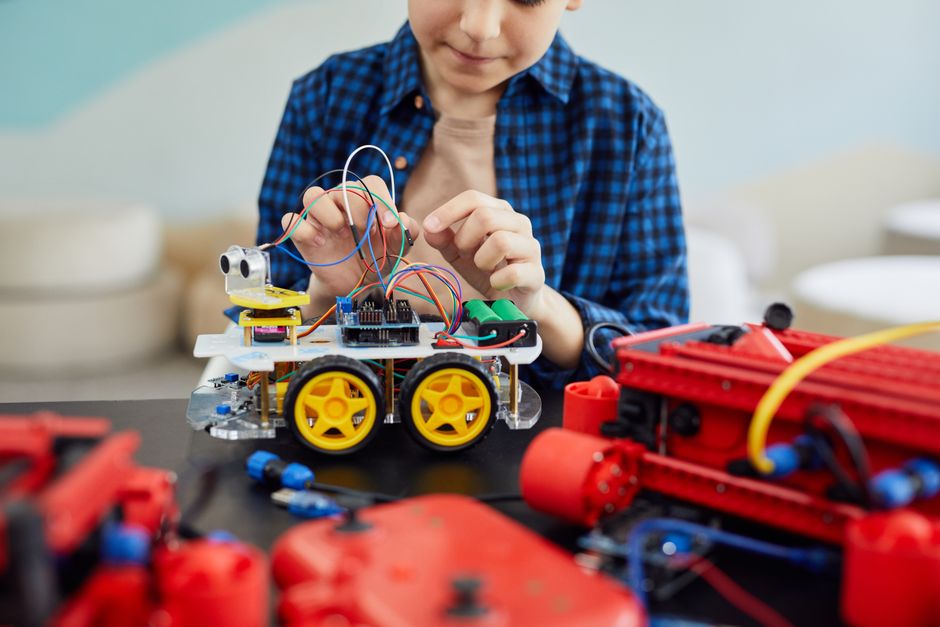
Building a coding portfolio is crucial for future opportunities. High schoolers should push code to GitHub, document their projects, and contribute to open-source initiatives. This demonstrates commitment and technical competence to universities and employers. Starting with small scripts and gradually tackling larger applications builds confidence and skill simultaneously.
Popular Programming Languages and Platforms for 2026
- Python: Ideal for beginners, used in data science, AI, and web development.
- JavaScript: Essential for web development and interactive applications.
- C++: Powerful for competitive programming and systems-level work.
- GitHub: Industry-standard version control and portfolio platform.
- Replit: Cloud-based IDE for quick prototyping without setup.
- LeetCode: Platform for practicing algorithmic problem-solving.
Key Takeaway: Start with Python on free platforms, build projects immediately, and share code on GitHub to establish a professional portfolio.
What Hands-On Robotics and Electronics Projects Work Best at Home?
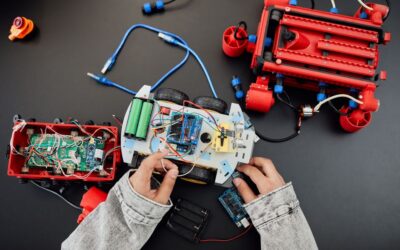
Robotics and electronics projects bring STEM concepts to life through tangible, moving creations. High schoolers can build robots using Arduino or Raspberry Pi microcontrollers—affordable single-board computers that control motors, sensors, and LEDs. Arduino kits cost under fifty dollars and come with extensive online tutorials. Students design circuits, write code, and troubleshoot real hardware failures, developing engineering resilience. A beginner might build a light-tracking robot; an advanced student could create an autonomous vehicle with computer vision.
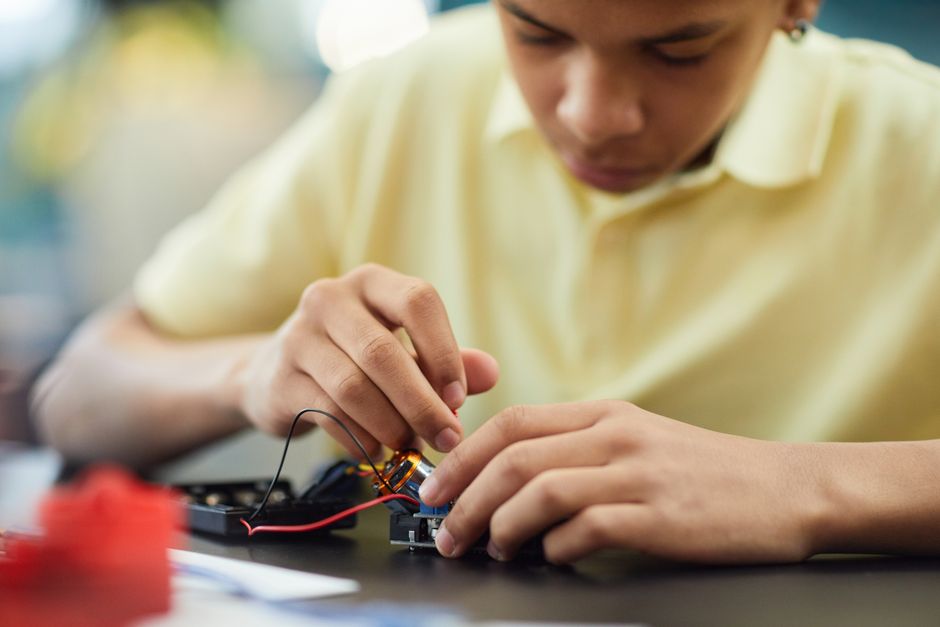
Robotics competitions like FIRST Robotics and VEX Robotics challenge students to solve engineering problems under real constraints. Even without team participation, home projects teach circuit design, mechanical assembly, and systems thinking. Students learn why designs fail and iterate toward solutions—authentic engineering experience.
Essential Electronics and Robotics Components
- Arduino Uno: Beginner-friendly microcontroller with massive community support.
- Raspberry Pi 4: Full computer for advanced projects and machine learning.
- Breadboard and jumper wires: Quick circuit prototyping without soldering.
- DC motors and servos: Movement and mechanical control.
- Sensors: Ultrasonic, temperature, light, and motion detection.
- Soldering iron: For permanent connections in advanced projects.
Start simple: an LED blink project teaches programming fundamentals. Progress to sensor integration—reading temperature or distance. Finally, combine multiple components into autonomous systems. This scaffolded approach builds competence and confidence systematically.
Key Takeaway: Arduino and Raspberry Pi projects teach real engineering with affordable kits and extensive online communities supporting beginners.
Which Science Experiments and Simulations Are Ideal for Remote Learning?
Virtual labs and simulations have revolutionized hands-on science education for 2026. Platforms like PhET Interactive Simulations (from the University of Colorado) and Labster provide professional-quality experiments without physical labs. High schoolers can conduct chemistry reactions, dissect virtual organisms, or manipulate quantum mechanics concepts visually. These tools eliminate safety concerns while allowing students to repeat experiments instantly and modify variables impossible in physical labs. Many schools integrate these simulations into curricula because they’re free or low-cost.

Real experiments at home remain valuable too. Chemistry experiments using household materials—crystal growing, pH testing, exothermic reactions—are safe and engaging. Biology projects like DNA extraction or bacterial culturing teach molecular science directly. Environmental science investigations using water quality testing kits connect learning to local ecosystems. The combination of virtual and physical experiments provides comprehensive understanding.
Top Virtual Lab and Simulation Platforms
- PhET Interactive Simulations: Free physics, chemistry, and biology simulations with excellent visualizations.
- Labster: Comprehensive virtual lab experience across multiple disciplines.
- Khan Academy: Free videos and practice problems integrated with simulations.
- Molecular Workbench: Advanced chemistry and physics modeling tools.
- NOVA Labs: PBS-backed projects combining video and interactive elements.
Encourage students to keep lab notebooks documenting hypotheses, observations, and conclusions. This develops scientific thinking and creates evidence of learning for portfolios. Virtual experiments work best when students approach them with scientific rigor, not as games.
Key Takeaway: Virtual labs provide unlimited, safe experimentation while home experiments teach practical technique and connect science to everyday life.
How Can High Schoolers Build IoT and Smart Home Projects?
Internet of Things (IoT) projects represent cutting-edge STEM learning for 2026. High schoolers can create smart home devices—automated lighting, temperature control, or security systems—using Raspberry Pi and cloud platforms. These projects integrate hardware, software, networking, and data analysis. A student might build a moisture sensor that automatically waters plants, combining electronics, programming, and cloud data logging. IoT projects feel modern and relevant, increasing student motivation significantly.
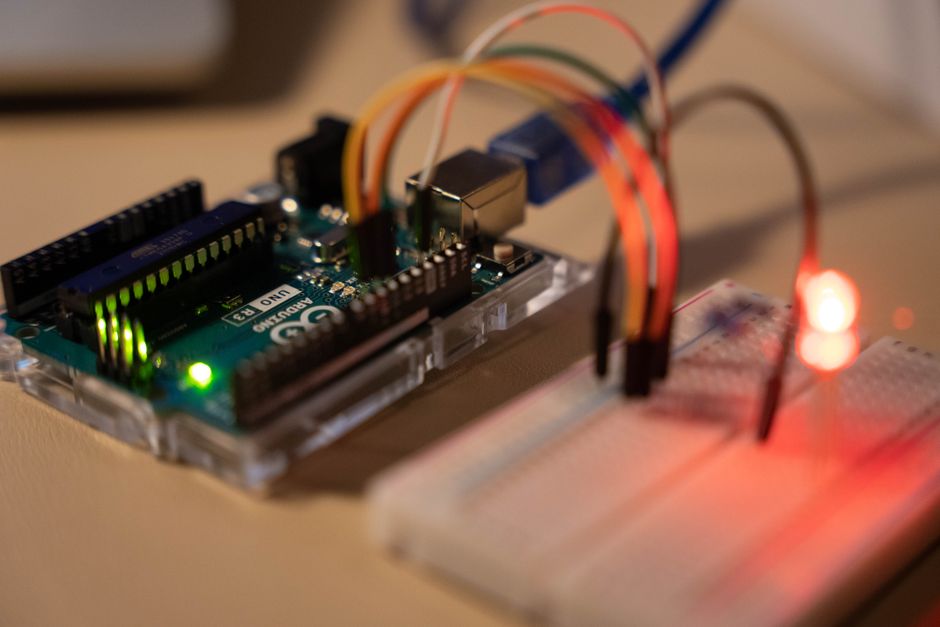
IoT skills are increasingly valuable in job markets. Companies across industries—manufacturing, agriculture, healthcare, smart cities—need engineers who understand connected devices. Home projects build this expertise while remaining manageable in scope. Students learn cloud platforms, APIs, and data visualization alongside hardware integration. This alignment with industry demand makes IoT projects particularly worthwhile for college and career preparation.
Popular IoT Project Ideas for Home
- Smart weather station: Collect local temperature, humidity, and pressure data to the cloud.
- Automated plant care: Soil moisture sensors trigger watering systems.
- Home energy monitor: Track electricity consumption and identify efficiency improvements.
- Security system: Motion detection with alerts sent to phone or email.
- Smart lighting: Control lights via app or voice commands.
- Temperature control: Automated fan or heater based on sensor readings.
Start with a single sensor collecting data to the cloud. Expand by adding more sensors, building a dashboard to visualize data, and automating responses. This incremental approach teaches systems thinking and keeps projects manageable. Students develop skills directly applicable to smart manufacturing and Industry 4.0—concepts explored in depth in resources like the Smart Student’s Guide to Smart Manufacturing in 2026.
Key Takeaway: IoT projects teach integration of hardware, software, and cloud services while building skills directly applicable to modern engineering careers.
What Practical Tips Help High Schoolers Succeed with Home STEM Projects?
Success in home STEM requires intentional approaches beyond just starting projects. Time management, documentation, and community engagement transform casual tinkering into meaningful learning. High schoolers should dedicate specific time blocks—even thirty minutes daily—to STEM projects. Consistency builds momentum and skill faster than sporadic marathon sessions. Creating a dedicated workspace, even a small corner with tools organized, signals commitment and reduces friction when starting work.
Documentation is underrated but essential. Students should photograph projects, record videos of demonstrations, and write explanations of what they built and learned. This creates portfolio evidence and clarifies thinking. Sharing work online—on blogs, YouTube, or GitHub—connects students to communities and opens feedback opportunities. Peer review and mentorship accelerate learning dramatically.
Step-by-Step Guide to Starting a Home STEM Project
- Choose a problem or interest: What do you want to build or understand? Start with genuine curiosity.
- Research existing solutions: How have others tackled similar projects? Learn from their approaches and mistakes.
- Plan your approach: Break the project into smaller milestones. What’s the minimum viable prototype?
- Gather materials and tools: Make a complete list before starting. Check costs and shipping times.
- Build iteratively: Start simple, test, learn, then expand. Expect failures—they’re learning opportunities.
- Document everything: Photos, videos, notes, and code. Your documentation is your portfolio.
- Share and get feedback: Post on forums, GitHub, or social media. External perspective improves projects.
- Reflect on learning: What skills did you develop? What would you do differently? What’s next?
Budget matters, but expensive equipment isn’t necessary for meaningful learning. Many successful projects cost under one hundred dollars. Free software, open-source code, and community resources fill gaps. The limiting factor is creativity and persistence, not budget.
Key Takeaway: Consistent time investment, deliberate documentation, and community engagement transform home STEM projects into powerful learning experiences.
How Can High Schoolers Use STEM Projects to Strengthen College Applications?
College admissions increasingly value demonstrated STEM engagement beyond classroom grades. Meaningful home projects show initiative, curiosity, and sustained effort. A well-documented robotics project or an innovative coding solution tells admissions officers that a student is genuinely interested in the field, not just checking boxes. Selective colleges expect applicants to have pursued interests independently. Home STEM projects provide exactly that evidence.
Students should highlight projects in essays and interviews. Explaining what problem the project solved, what you learned, and what you’d improve demonstrates reflection and growth mindset. Including links to GitHub repositories, project videos, or published work strengthens applications. Some students win scholarships specifically for STEM project portfolios. The investment in quality home projects pays dividends across multiple dimensions of college preparation.
Key Takeaway: Well-documented home STEM projects become powerful college application materials demonstrating genuine interest and capability.
What Resources and Communities Support High School STEM Learning in 2026?
The STEM education ecosystem in 2026 includes unprecedented resources. YouTube channels dedicated to Arduino, Python, and robotics provide free tutorials from skilled instructors. Discord servers and Reddit communities connect students with peers and mentors worldwide. Many companies—Arduino, Raspberry Pi, and others—provide free educational resources and sponsor student projects. Universities increasingly offer free online courses through Coursera, edX, and their own platforms. This abundance of resources means a motivated student can learn nearly anything at home.
Local resources matter too. Many public libraries now offer maker spaces with tools, equipment, and expert staff. High school clubs—robotics, coding, engineering—provide peer collaboration and mentorship. Science centers and museums often host workshops or provide project ideas. Combining online and local resources creates a rich learning ecosystem. Students should actively seek mentors—teachers, engineers, graduate students—who can provide guidance and perspective on projects.
Key Takeaway: Abundant free online resources, local maker spaces, and supportive communities make high-quality STEM learning accessible to every motivated student.
Frequently Asked Questions
What STEM activities require the least equipment and cost?
Coding projects using free platforms like Python, Codecademy, and GitHub require only a computer. Science simulations through PhET and Khan Academy cost nothing. Household experiments using common materials—salt, vinegar, sugar, water—teach chemistry and physics. These approaches prove that meaningful STEM learning doesn’t require expensive kits or equipment.
How much time should high schoolers dedicate to home STEM projects?
Consistency matters more than duration. Thirty minutes daily outpaces sporadic five-hour sessions. Most students benefit from two to four hours weekly, depending on project complexity and other commitments. Quality engagement—focused, deliberate work—beats passive time spent. Students should adjust based on their schedule and project demands, maintaining steady momentum.
Can high schoolers participate in STEM competitions from home?
Absolutely. Many competitions now offer virtual or hybrid formats. Science Olympiad, FIRST Robotics, and coding competitions like USACO accommodate remote participants. Online hackathons and project challenges run continuously. Participating in competitions motivates students, provides external deadlines, and offers recognition for quality work. Home-based teams are increasingly competitive.
What’s the best first STEM project for a beginner?
Start with something genuinely interesting to you. If you like coding, build a simple game or tool. If you like electronics, create a blinking LED circuit. If you like science, grow crystals or test water quality. Interest drives persistence through challenges. Choose a project with abundant online tutorials and supportive communities. Success builds confidence for more ambitious projects.
How do high schoolers build a STEM portfolio for college and careers?
Document every project with photos, videos, code, and written explanations. Push code to GitHub with clear documentation. Write blog posts explaining your learning process. Create a personal website showcasing projects. Participate in competitions and hackathons. Contribute to open-source projects. Share work on social media or YouTube. This multi-platform presence demonstrates serious engagement and makes your work discoverable by colleges and employers.
Are virtual labs as effective as physical experiments?
Virtual labs excel at visualizing abstract concepts and allowing unlimited repetition. Physical experiments teach practical technique and troubleshooting real-world complexity. Both approaches have value. Ideally, students combine them—understanding concepts through simulations, then validating learning through hands-on experiments. This integrated approach provides comprehensive understanding impossible with either alone.
How Can High Schoolers Maximize Learning from Home STEM Projects in 2026?
Home STEM activities in 2026 offer unparalleled opportunities for high schoolers to develop technical skills, build portfolios, and explore career interests. Success requires choosing projects aligned with genuine interests, committing consistent time, and documenting learning thoroughly. The combination of free online resources, affordable hardware kits, and supportive communities makes sophisticated STEM learning accessible to every motivated student. Whether pursuing coding, robotics, virtual experiments, or IoT projects, high schoolers can develop expertise that impresses colleges and employers while enjoying the satisfaction of building real solutions to meaningful problems.
The most successful students treat home STEM projects seriously—as genuine engineering and scientific work, not casual hobbies. They iterate through failures, seek feedback, and continuously raise their ambitions. They document their journey and share their work publicly. They connect with mentors and communities. These practices transform isolated projects into powerful learning experiences and impressive portfolio pieces. For high schoolers serious about STEM careers, home-based projects represent the most valuable investment of time and effort available in 2026. Start today with something small, maintain consistent engagement, and watch your capabilities and confidence grow.





Write Your Review
No reviews yet. Be the first to share your experience!